
The Future of Digital Impressions in Modern Dentistry
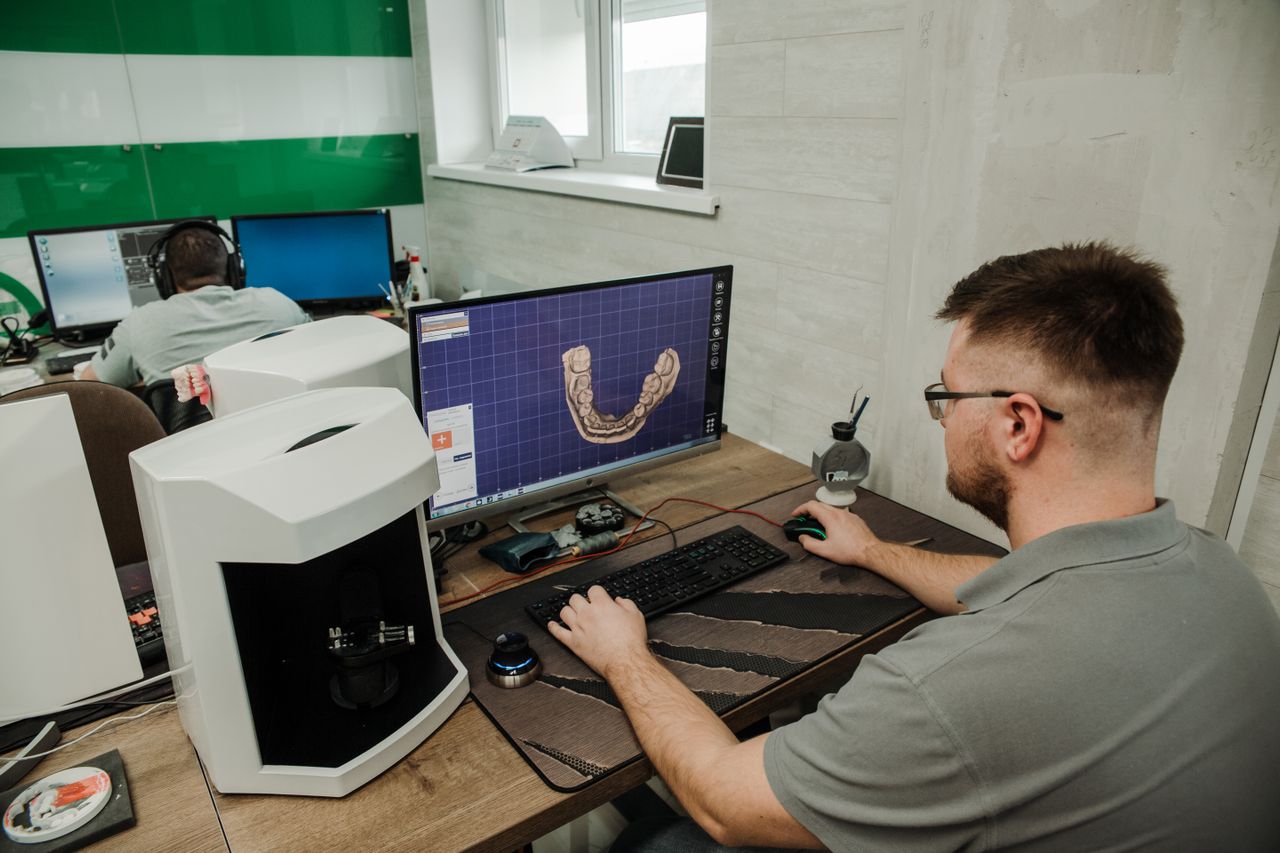
From analog to digital
Ten years ago, digital impressions were a novelty available only to early adopters. Today, practices still relying exclusively on traditional PVS impressions are increasingly the exception. The shift is driven by sensor accuracy improvements, faster lab turnaround for digital cases, and the chair-side CAD/CAM revolution that has made same-day restorations a practical standard of care.
What the clinical data shows
A 2023 systematic review in the Journal of Prosthetic Dentistry analyzed 47 clinical studies comparing conventional and digital impression accuracy. Digital impressions demonstrated statistically equivalent or superior marginal accuracy in 89% of studies — with significant advantages for full-arch and implant-level scans. A parallel time-motion study across 12 European practices found digital impression workflows reduced per-case chair time by an average of 22 minutes.
Implementation considerations
Transitioning to full digital impressions requires planning beyond the capital investment. Practices must evaluate lab compatibility, milling certification pathways, and team training protocols. Most clinical teams achieve proficiency within 30-50 scanning cases. For practices with existing CEREC infrastructure, the transition is a natural evolution that unlocks significant workflow efficiency gains.
Looking ahead
The next frontier lies not in accuracy — that problem is largely solved — but in intelligence. AI-assisted margin detection, automated preparation quality scoring, and real-time occlusal analysis are appearing in next-generation scanning platforms. Practices building digital workflow competency today are positioning themselves to lead that next wave.